Scale
China
Industrial system. Throughput before slogans.
Open benchmark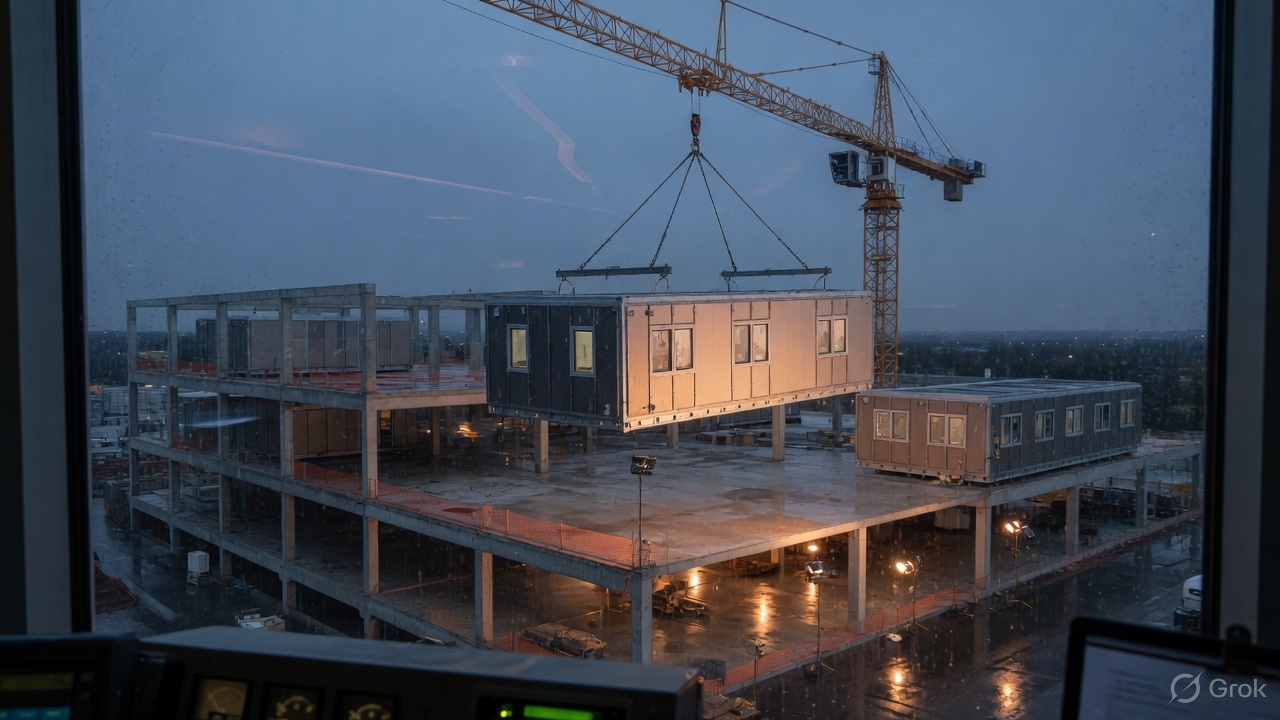
Industrialised Construction Intelligence
Tracking the industrialisation of construction.
Prefab · Modular · Offsite · DfMA · Advanced Manufacturing
Does industrialised construction improve system coherence — or merely shift entropy elsewhere?
Scale
China
Industrial system. Throughput before slogans.
Open benchmarkProductisation
Japan
Housing as a manufactured product.
Open benchmarkSystem
Singapore
DfMA, PPVC, procurement, digital delivery.
Open benchmarkTransition
Australia
Import capability. Localise with evidence.
Open benchmarkAustralian MMC Pulse
The signature distinction of this observatory. Seed values are labelled. Empty cells stay empty.
Verified active MMC projects
Reported0 verified / 4 on file
Seed catalogue only. Announced programmes are not verified dwelling counts.
Dwellings under manufacture
UnknownUnknown / insufficient evidence
No factory production records are connected.
Dwellings installed YTD
UnknownUnknown / insufficient evidence
Installation is a different object from announcement.
Operational factories
Supported4
Operational in the catalogue is not verified utilisation.
Factories under construction
Reported0
None in the current seed.
Announced factories
Reported1
Includes vapourware held on purpose.
Live map
Operational, announced, under construction, idle, closed. Geometry is approximate. Coverage pending for ports, labs and tenders.
Open map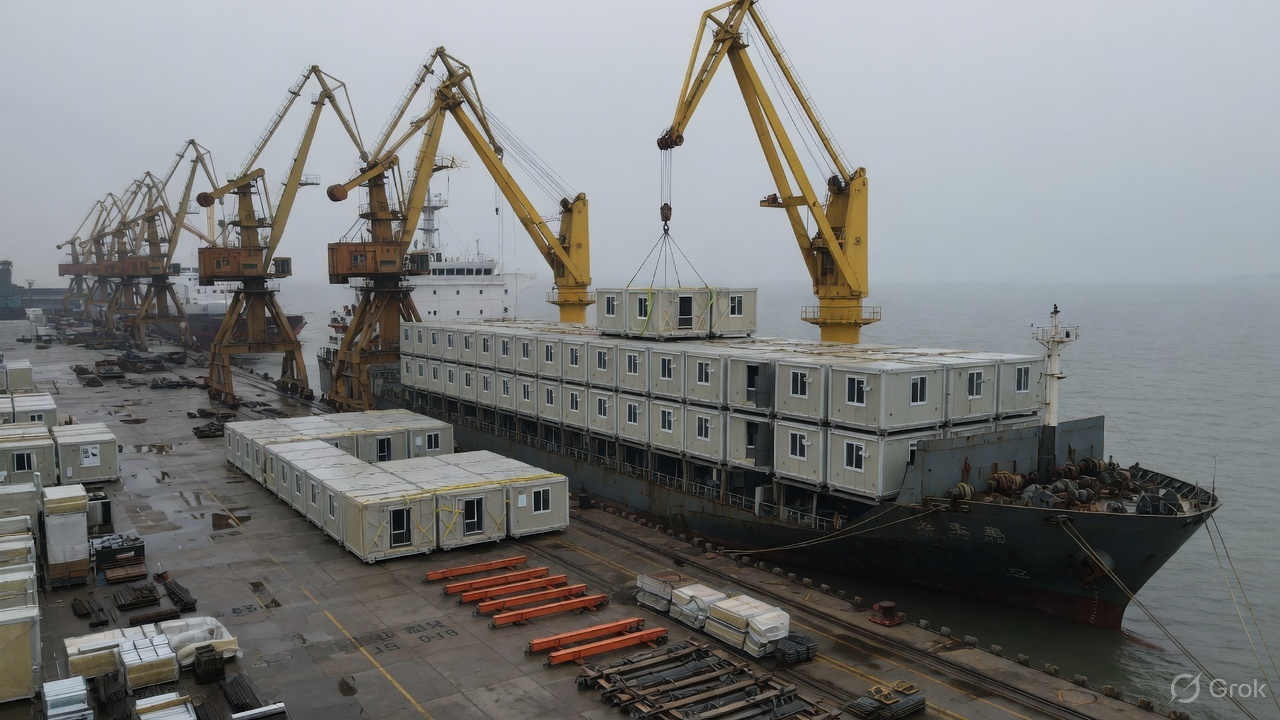
Factory pins · MOCK seed
Intelligence
administration · AU · NSW
SupportedPipeline dashboards that keep failed plants in the ‘capacity’ column overstate Australia’s industrial position.
2023 · 2 sources · confidence 72%
research · CN · Hunan
ReportedSpeed is not coherence. A fast stack can still be steel- and transport-intensive.
2015– · 1 sources · confidence 38%
policy · SG
SupportedAustralia often imports a module type and is surprised the governance did not come with it.
2010s– · 2 sources · confidence 68%
research · JP
SupportedComparing ‘modular’ across Japan and China without this distinction produces nonsense.
1960s– · 1 sources · confidence 66%
Benchmark
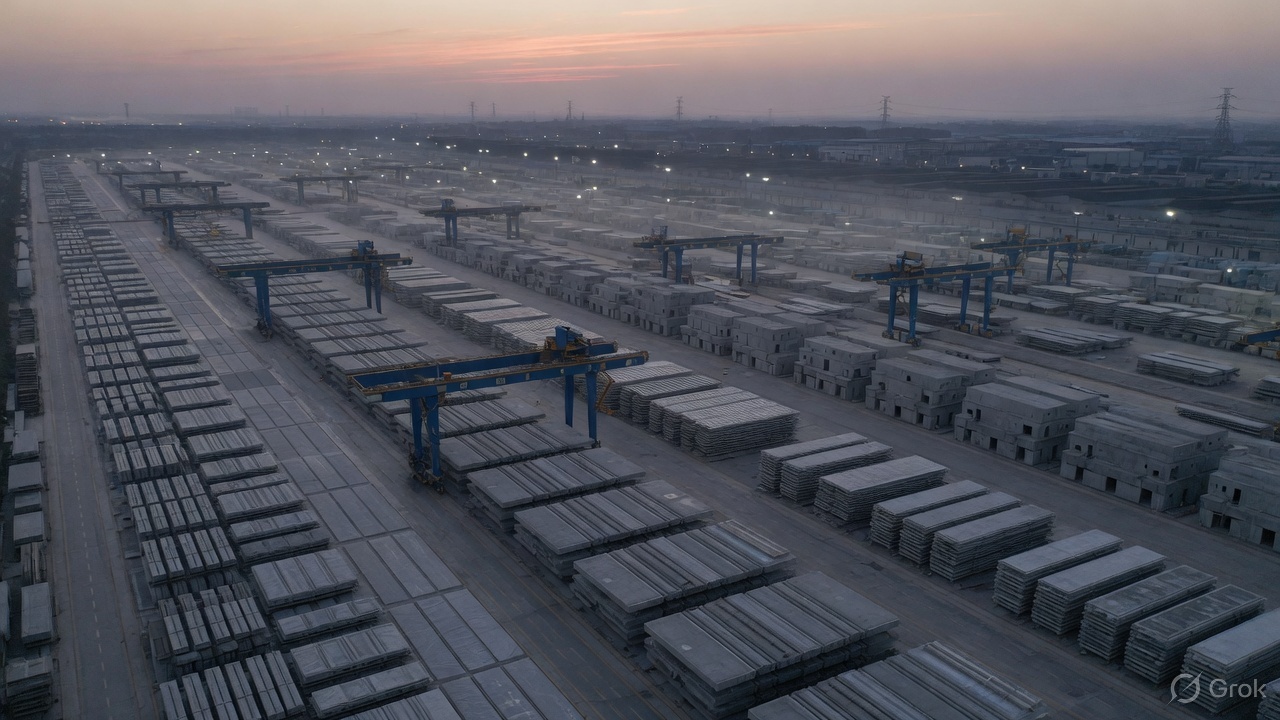
Scale benchmark
Construction as industrial system.
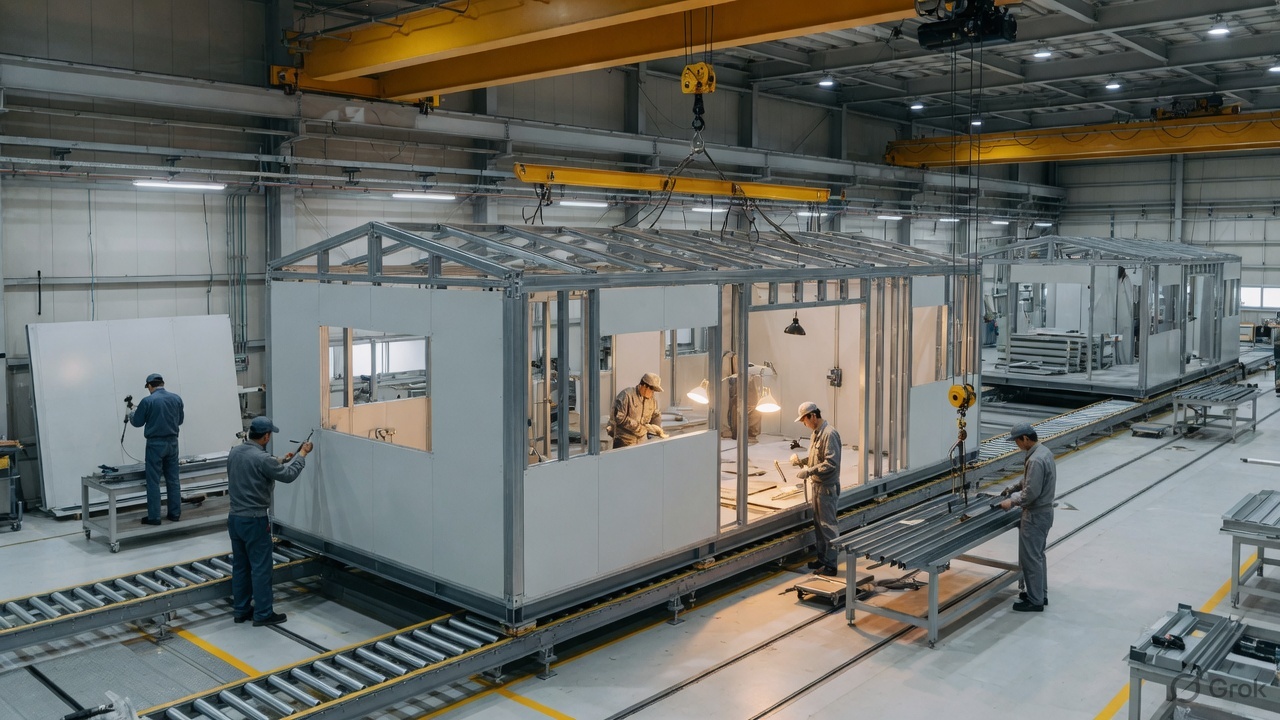
Productisation benchmark
Construction as product.
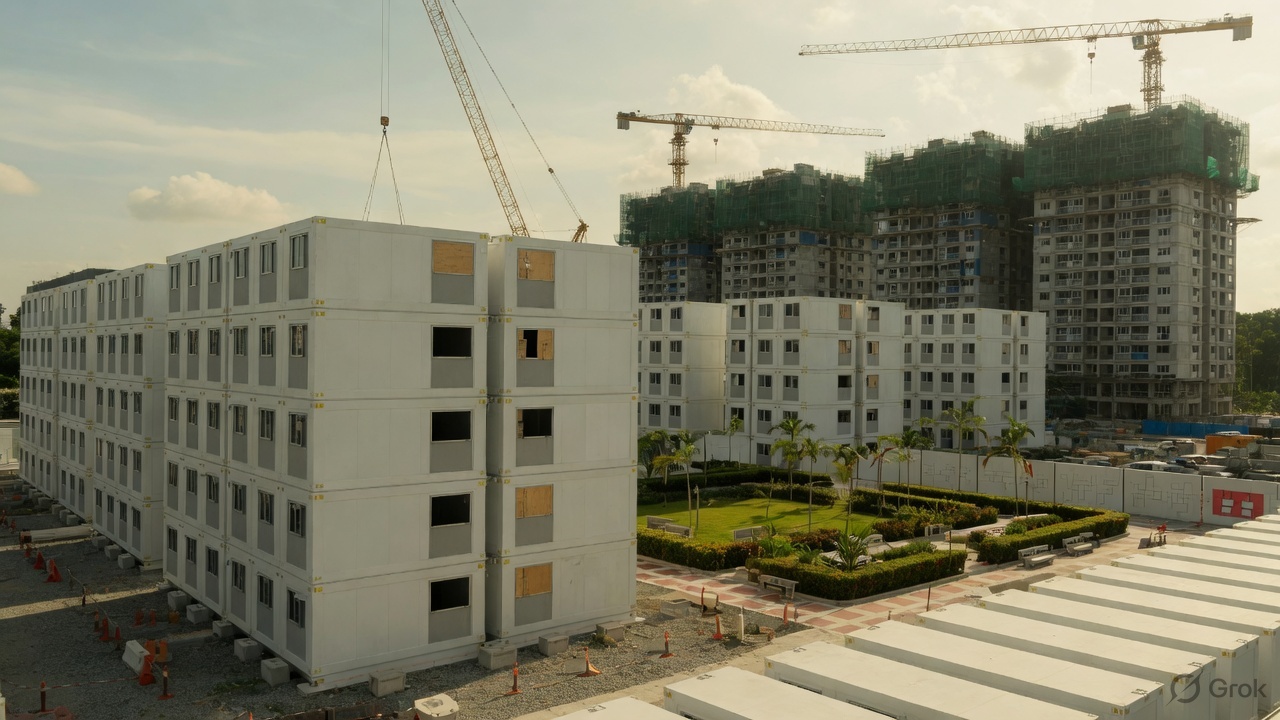
Systems and governance benchmark
Industrialisation as coordinated public system.
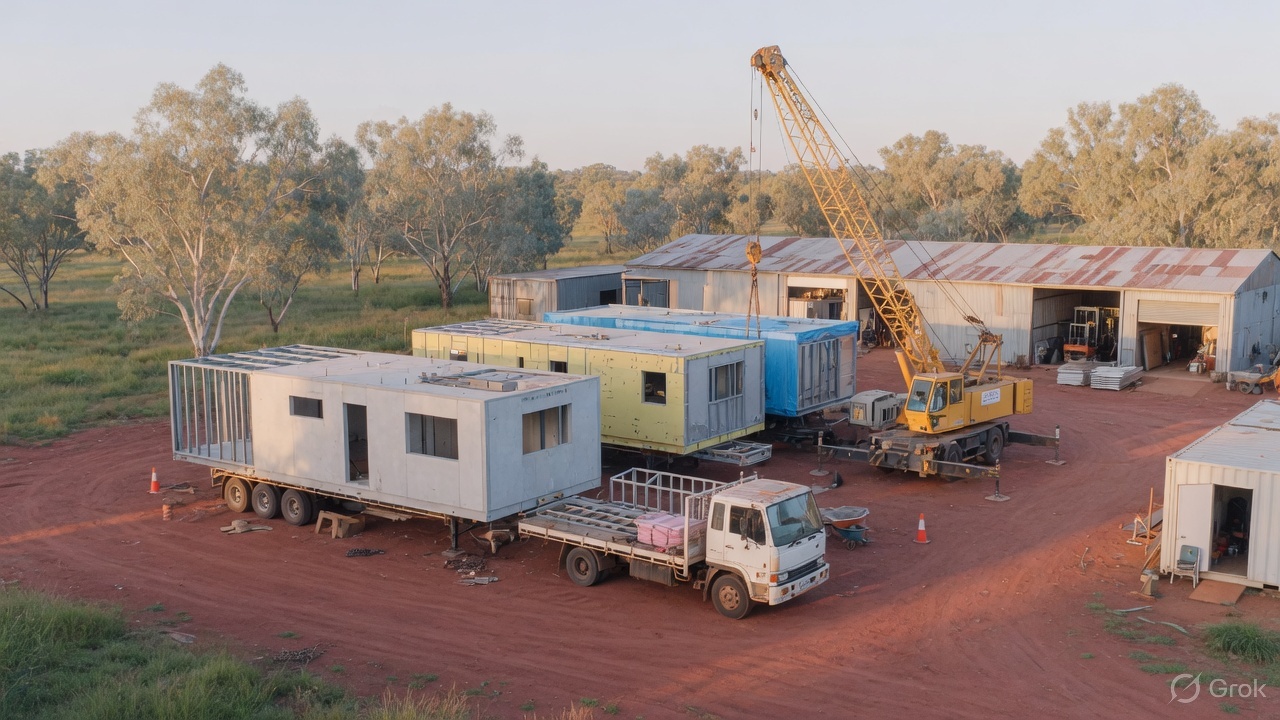
Transition market
Import capability, localise where economics and resilience justify it. Do not reinvent the last forty years.
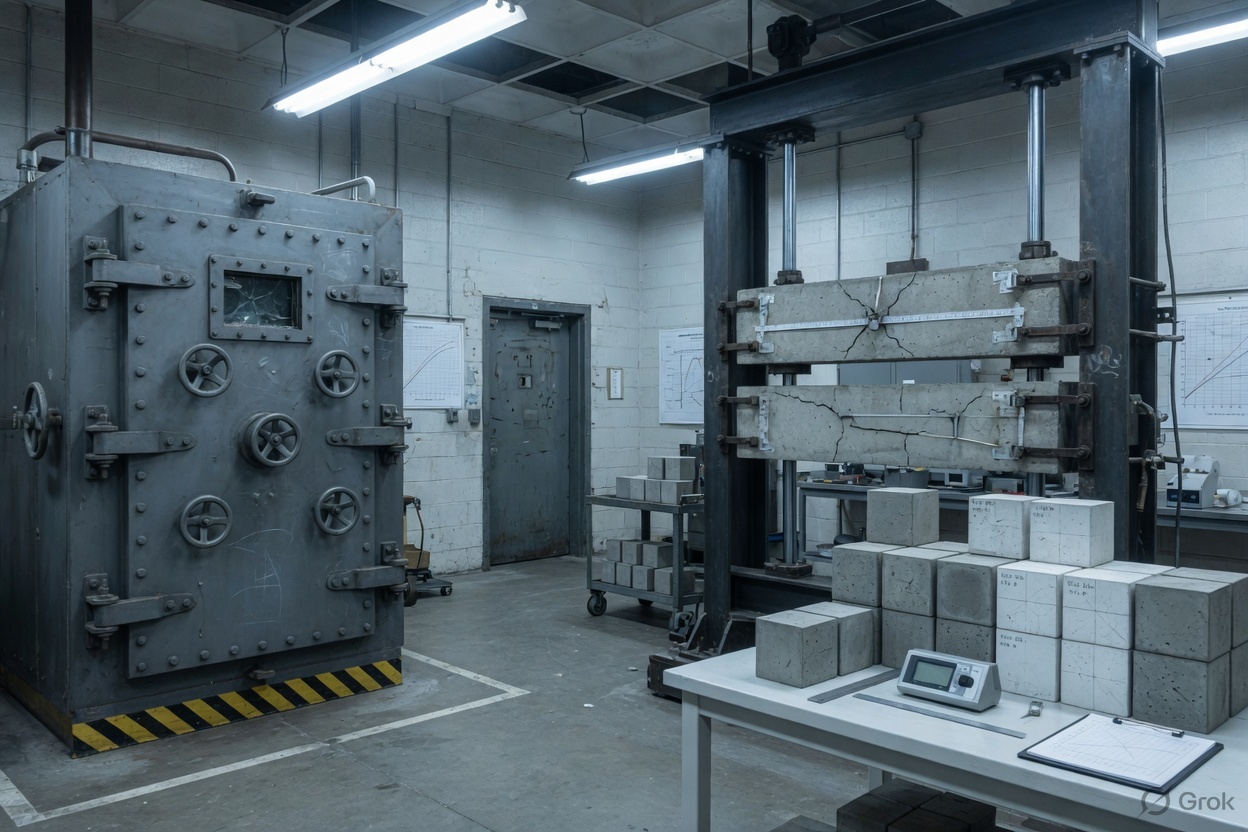
Certification
Product conformity is not factory conformity is not statutory approval. MMC Sentinel is not a certifier.
Assurance layerCoherence
A biodegradable detergent can improve waterways in Europe while increasing palm-oil demand in Borneo. Prefabrication can shorten a programme while raising factory energy, freight and residual waste elsewhere.
Does industrialised construction improve system coherence — or merely shift entropy elsewhere?
Research layerGenealogy
1851
Iron-and-glass kit assembled at speed from manufactured parts. Prefabrication as spectacle and system.
1900s–1920s
Transportable kits and mail-order houses. Construction begins to leave the site as a parts list.
1916–1940s
Emergency shelter as repeatable manufactured geometry. Speed and logistics dominate craft.
1940s–1950s
Temporary housing programmes. Many were more temporary in rhetoric than in occupation.
1950s–1980s
Standardised apartment construction as a state industrial product. Scale without productisation.
1950s–1960s
Shortage as trigger. Manufacturers, not only builders, take the housing problem.
1960s–1980s
Steel systems, proprietary platforms, factory QA. Construction becomes a product with aftercare.
1980s–
Repeatable structure, variable finish. The catalogue, not the unique drawing, is the asset.
Projects on file
OneNetwork
MMC Sentinel is built on OneNetwork — shared intelligence infrastructure for evidence, provenance, validation and system learning.